
Walk from water to public life
Move from the Trevi Fountain toward Campo de' Fiori while following how water, stone and squares shape Rome's civic imagination.
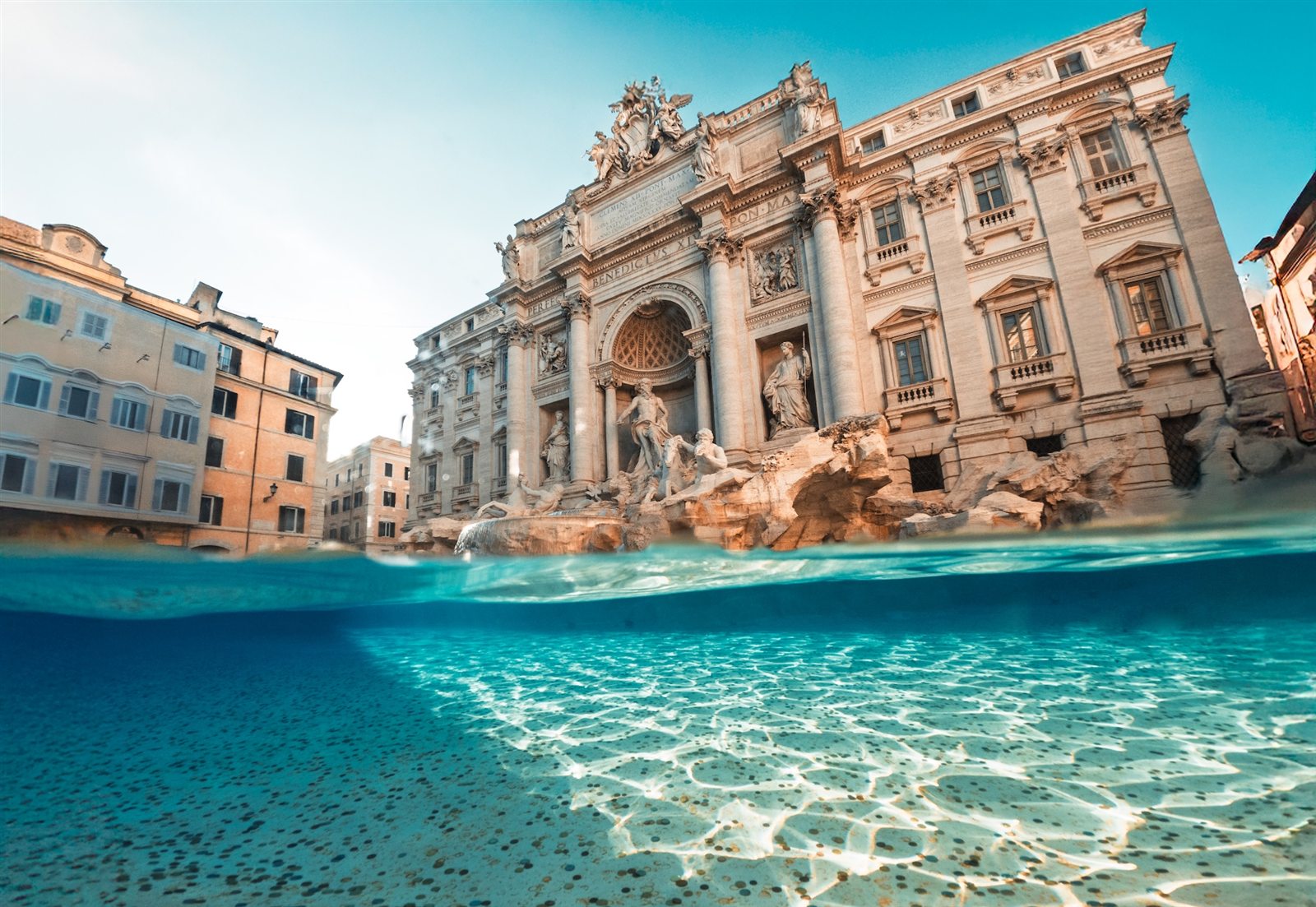
You won't just see Rome's fountains. You'll learn how to read them.
A self-guided Rome fountains walking tour from the Trevi Fountain to Campo de' Fiori, shaped for travellers who want to understand Baroque Rome, public squares and the city's water culture while walking at their own pace.
See what you will understandMove from the Trevi Fountain toward Campo de' Fiori while following how water, stone and squares shape Rome's civic imagination.
See fountains and facades as persuasive public art, not only as beautiful stops between monuments.
The walk is designed for about 90 minutes and 2 km, with enough time to pause, look and listen.
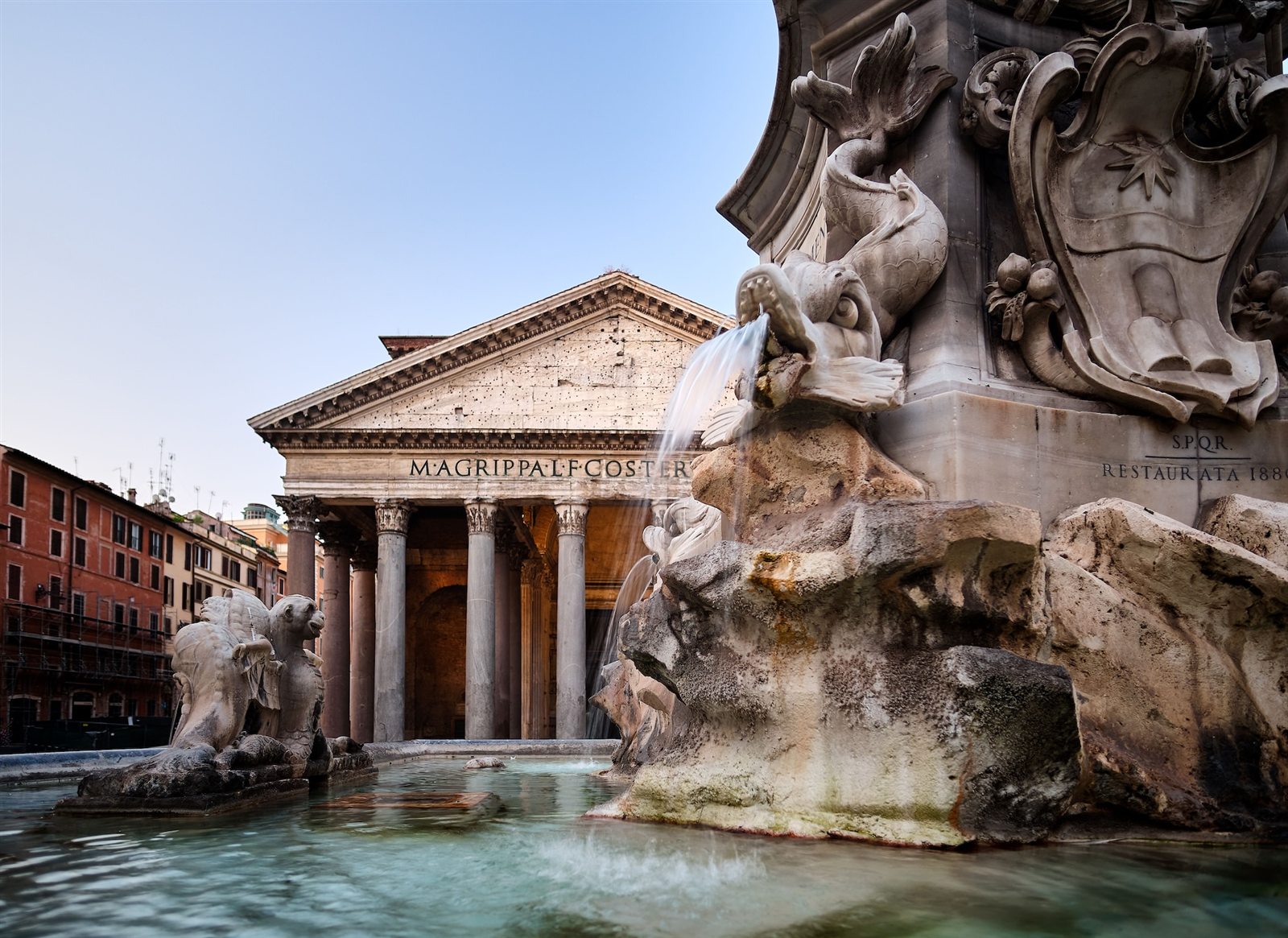
Editorial perspective
Rome's fountains are easy to photograph and surprisingly easy to misunderstand. They are not just ornaments. They speak about engineering, papal ambition, public ceremony, neighborhood identity and the long life of ancient stone.
This self-guided route turns a familiar path into a sequence of readable places, from the Trevi Fountain to Campo de' Fiori. You keep the freedom to pause, but the story keeps water, stone and public space connected.
A concise preview of what you will hear along the walk.
Begin with Rome's most famous fountain and learn to look beyond the spectacle.
See how an imperial column, palaces and public space frame authority in the city center.
Read ancient stone reused inside the rhythm of modern Rome.
Step into a Baroque lesson in perspective, illusion and religious theatre.
And more along the route.
The route is built around looking with context.
A walkable story, not a list of landmarks.
The route connects squares, fountains and ancient fragments into one readable path.
The story is paced for attention while walking, with room to pause where the place asks for it.
You get enough history to understand what you see without turning the walk into a lecture.
The cultural frame stays focused on what you can notice, compare and understand as you walk.
Search gives you fragments: dates, names and scattered facts. GeoBeat gives you a route with rhythm. Instead of standing in a square comparing tabs, you follow a story that tells you what to notice next, why it matters and how it connects to the next place.
You want famous places, including Trevi and the Pantheon, to feel more intelligible than a checklist.
You prefer a self-guided walking tour Rome experience without joining a group or fixed timetable.
You enjoy art, architecture and urban history when they are tied to what you can see in front of you.
You want better photos because you understand what the fountain, square or facade is doing.
The walk is planned for about 90 minutes and covers roughly 2 km, from Piazza di Trevi to Campo de' Fiori.
Yes. The route includes famous places such as the Trevi Fountain and the Pantheon, but it is designed to help you understand them rather than simply pass by them.
No. This is a cultural walking audio experience. Any site entry, if you choose to enter somewhere along the way, is separate.
GeoBeat presents the editorial tour page. The external call to action opens the tour on VoiceMap, where access and listening are handled.
Start at Trevi, continue through squares and ancient fragments, and reach Campo de' Fiori with a clearer eye for the city.