
Slow down in Cannaregio
Step away from the busiest routes and give one powerful Venetian church the attention it deserves.
Stay with one church long enough for Venice to become quieter and more legible.
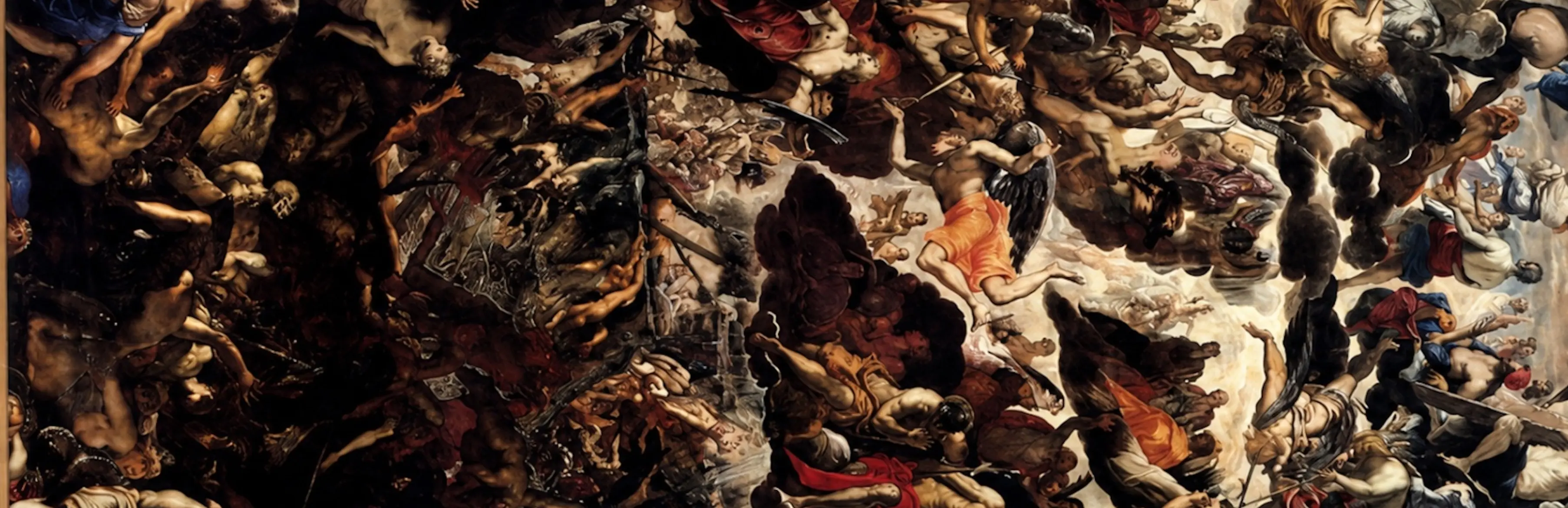
Leave the main routes behind and enter Madonna dell'Orto — a Gothic church in Cannaregio where Tintoretto worked, was buried and left some of the most powerful paintings in Venice. A concentrated encounter with devotion, patronage and Venetian art at its most personal.
See what you will understandStep away from the busiest routes and give one powerful Venetian church the attention it deserves.
Connect the painter's life, burial and canvases with the parish church that shaped his personal geography.
Read Gothic space, chapel patronage and devotional painting without turning the visit into a long art-history lecture.
Editorial perspective
Madonna dell'Orto is not a quick detour. It rewards a visitor who is willing to stay with one building and let its architecture, paintings and neighbourhood setting speak together.
GeoBeat frames the church as a concentrated encounter with Tintoretto, Gothic Venice and parish memory, giving the visit an order that a casual stop rarely provides.
A concise preview of what you will hear along the walk.
The Gothic façade of brick and Istrian stone and its quiet campo in northern Cannaregio — a setting that already signals a different kind of Venetian experience from the moment you arrive.
Inside, the proportions and materials of a fourteenth-century Gothic interior create a space of shadow and height that feels removed from the city's tourist tempo.
Jacopo Tintoretto lived in the neighbourhood, worshipped here throughout his life and returned here to be buried. This church is less an institution than a personal geography.
The artist is buried in the chapel to the right of the altar. The tomb closes the distance between looking at a painting and standing where the painter ends.
And more along the route.
This is a compact visit, but the layers are rich.
A clear route, written for listening while you move.
Each stop is chosen for cultural meaning, not as a generic checklist.
The route connects places into a simple narrative you can follow on foot.
The text is shaped for listening in place, with enough context to stay clear.
The walk gives you orientation without replacing the full VoiceMap experience.
Search can give you artist names and dates. GeoBeat gives you a sequence for looking: where to stand, what to compare and how the church's parts become one story.
You want Tintoretto's work to feel connected to the place where it still lives.
You prefer depth, quiet and attention over moving quickly between famous sites.
You do not need prior art-history knowledge; the route gives enough context as you look.
You want a self-guided experience that keeps the visit personal and unhurried.
Yes. The experience centres on the Church of Madonna dell'Orto — its façade, interior, chapels and paintings. The walk from the surrounding campo is brief.
No prior knowledge is needed. The tour introduces the painter and his relationship with the church through the works and spaces you encounter along the way.
The tour begins at the Church of Madonna dell'Orto in Venice's Cannaregio sestiere, in the northern part of the district.
Stay with Madonna dell'Orto, listen where the works are, and leave with a more precise memory of Tintoretto's Venice.